
Kristina left architecture to design pastries
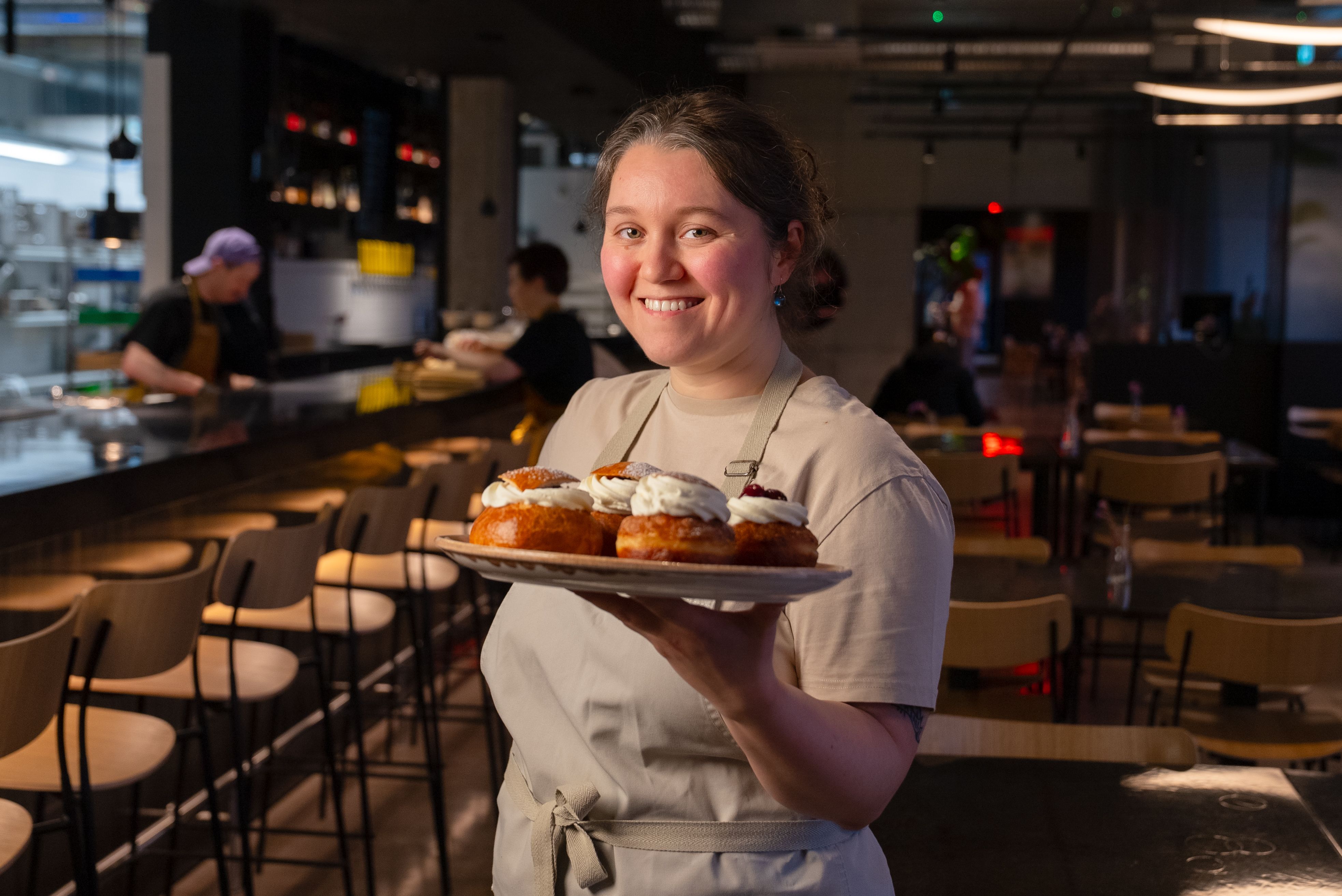
At SUMI, mornings and evenings feel like two different places sharing the same walls. Early in the day, the bakery side is bright and bustling. Coffee cups clink, pastries line up in neat rows, and the sweet smell of dough fills the room. Later, the space softens into a laid-back bistro where plates are shared, beers are poured and conversations linger. Somewhere between these two rhythms works Kristina Merileht, quietly shaping what ends up on people’s plates.
“I like that SUMI is not just one thing,” she says. “It’s a bakery, but also a place where people come to relax, eat together, and have a drink. The food has to fit that feeling.”
That duality defines her approach. Her pastries are precise but never stiff, playful without trying too hard. Much like SUMI itself, they sit comfortably between worlds.
Bread before baking
Kristina’s relationship with baking didn’t start as a career plan. It began much earlier, in a rural childhood shaped by culture and routine rather than ambition. She grew up in a Bashkir family where bread was always present – not as something fancy, but as something essential.
“My grandmother baked sourdough bread all the time,” Kristina recalls. “It wasn’t a special thing. It was just bread. Something you always had at home.”
There was no romantic vision of becoming a baker back then. Kristina went on to study architecture, drawn to structure, proportion and design. Baking, for a long time, remained somewhere in the background.
It would take an unexpected pause in the world for those early kitchen memories to resurface and find a new meaning.
From blueprints to dough
The turning point came during the pandemic, when Kristina, like many others, found herself rethinking what felt important. Architecture, with its screens and software, suddenly felt distant. Baking, on the other hand, felt immediate and necessary.
“I realised I wanted to do something essential,” she says. “Something that feeds people. Something real.”
What surprised her most was how naturally her architectural thinking transferred into the kitchen. “Sometimes I feel like I’m doing bun design,” she laughs. “I think about structure, proportions, balance. How things look when you cut into them.”
But unlike architecture, baking doesn’t allow mistakes to be undone. “There’s no Ctrl+Z here,” she says. “You can’t uncook proteins.”
That mix of precision and pressure is exactly what she enjoys. The kitchen demands full presence and rewards it instantly. “It’s stressful, but in a good way,” Kristina explains. “You see the result right away. You know if it works.”
The quiet joy of early mornings
Kristina’s days start when the city is still asleep. Alarm clock rings at three or four in the morning, long before cafés open their doors. It’s a rhythm that asks for sacrifices – missed evenings, skipped celebrations – but also gives something back.
“I feel like I’m stealing time from the city,” she says. “Everything is quiet. There’s this peaceful moment before anyone else is awake.”
Inside the bakery, that stillness is filled with movement – dough being shaped, ovens warming up, trays sliding in and out. The work is physical, repetitive, focused. And then comes the moment Kristina waits for.
“The best feeling is when you take the buns out of the oven,” she says. “I just can’t hide my smile.”
Later, when the doors open, she watches quietly as guests arrive. “When someone takes a bite and closes their eyes for a second… that’s everything,” she admits. “That brings so much warmth to my heart.”
Thinking in flavours
Ideas at SUMI don’t start with trends or visuals. They start with flavour. Kristina describes her process as instinctive but informed, shaped by travel, tasting, reading and constant curiosity.
“It seemed funny to me at first, but you really have to train your palate,” she says. “You have to taste a lot. Travel helps. Eating helps.”
Sometimes inspiration comes from a single ingredient and expands into questions of texture, acidity, sweetness. Other times it’s sparked by memories of bakeries abroad, especially in cities like New York or Brooklyn, where classic pastries are treated with respect but not fear.
“I don’t like doing things randomly,” she explains. “Everything needs a reason.”
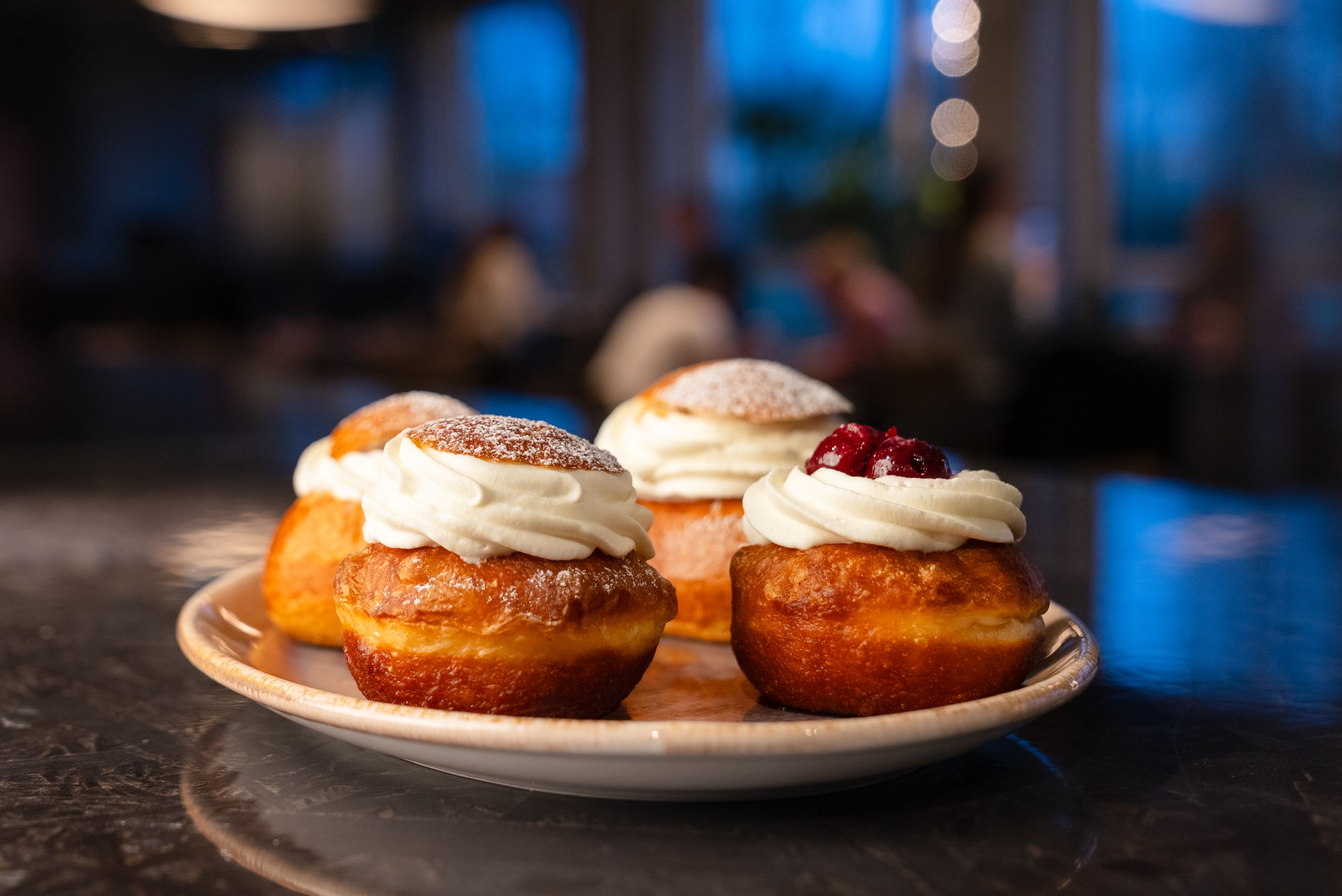
That philosophy carries through to SUMI’s Shrove buns as well. Kristina approaches them with the same architectural mindset – structure first, balance second, indulgence without heaviness. “They have to feel right,” she says. “Not too much. Not too little.”
Baking something essential
Kristina doesn’t frame her work in big statements. For her, baking is about showing up, doing the work and paying attention. To flavours, to structure, to how people react when they eat.
“At the end of the day, it’s food,” she says simply. “And food should make people feel good.”
At SUMI, her baking fits seamlessly into the wider rhythm of the place. Pastries in the morning, shared plates and drinks later in the day. It’s food meant to be enjoyed together.
Standing in the space, it becomes clear why baking suits her. It allows precision and feeling to exist side by side. Structure without stiffness. Care without drama. Most of all, it gives her something architecture never quite did – the chance to make people smile, every single day.
And during Tallinn Bun Fest, that care takes the shape of a Shrove bun – made early, eaten slowly, and remembered long after the plate is empty. Exactly the way Kristina intends it to be.


